What Is Spinal Stenosis?
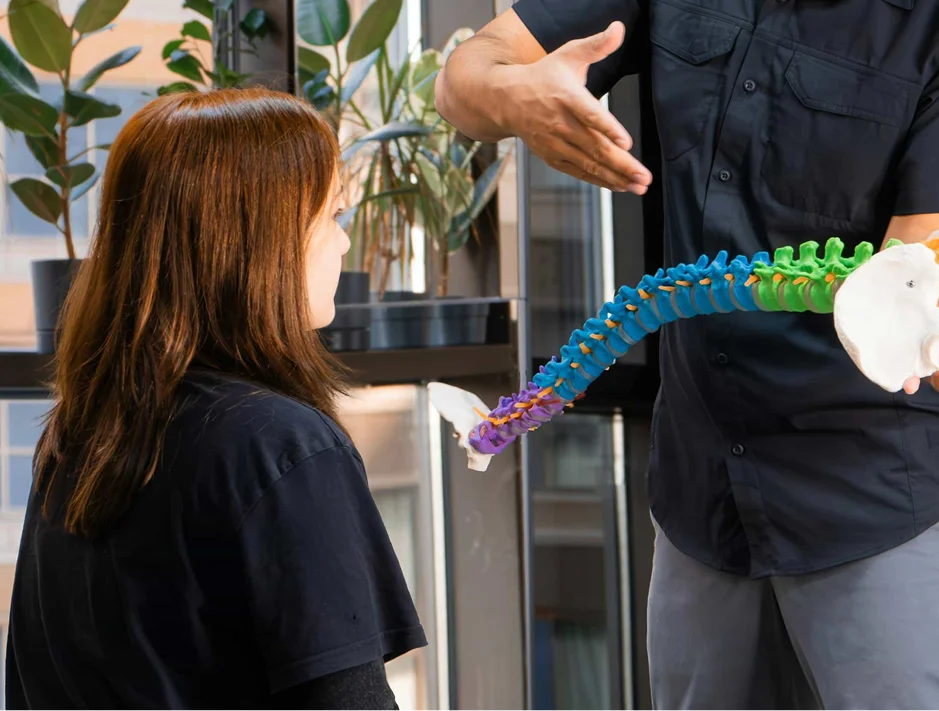
Spinal stenosis is a condition in which the spaces within the spine narrow, placing pressure on the spinal cord or spinal nerves. This narrowing most commonly occurs in the neck (cervical stenosis) or lower back (lumbar stenosis) and often develops gradually due to degenerative changes, arthritis, disc collapse, or thickening of surrounding ligaments.
As nerve compression increases, patients may experience pain, numbness, weakness, or difficulty walking or standing for extended periods. Because symptoms can mimic other spine or nerve conditions, accurate evaluation is essential.
At Southern California Injury Treatment Center, we provide advanced evaluation and treatment for spinal stenosis focused on identifying the source of nerve compression and guiding effective, personalized care. Patients seeking the best spinal stenosis treatment in Chino Hills trust our multidisciplinary approach when symptoms limit mobility or quality of life.
How Do I Know If Spinal Stenosis Is Causing My Symptoms?
Spinal stenosis symptoms often worsen gradually and may be triggered by activity or prolonged standing. Evaluation may be appropriate if you experience:
Because spinal stenosis can overlap with disc herniation or other degenerative conditions, targeted evaluation helps clarify the diagnosis.
Back or neck pain that worsens with standing or walking
Relief of symptoms when sitting or bending forward
Pain, numbness, or tingling in the legs or arms
Balance problems or unsteady gait
Weakness or heaviness in the legs
Symptoms that progressively limit daily activity
Cramping or fatigue when walking short distances
What to Expect During a Spinal Stenosis Evaluation in Chino Hills
Evaluations at Southern California Injury Treatment Center are thorough and designed to assess both structural narrowing and its functional impact.
During your evaluation, you can expect:
- Detailed review of symptom history and progression
- Physical examination of posture, gait, and spinal movement
- Neurological assessment to evaluate nerve involvement
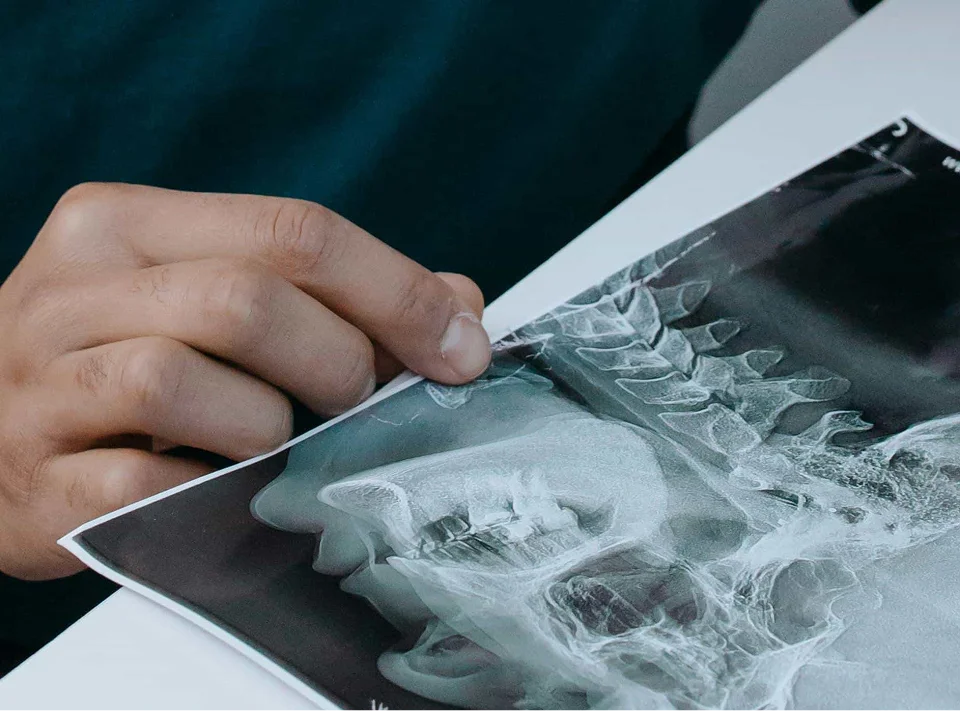
- Review of prior imaging or diagnostic studies
- Identification of factors contributing to nerve compression
- Clear explanation of findings and individualized treatment options
Our goal is to determine not just whether stenosis is present, but how it’s affecting your ability to move and function.

Why Spinal Stenosis Can Limit Mobility Over Time
As spinal narrowing progresses, nerve compression can interfere with signals that control strength, sensation, and coordination. Without appropriate care, symptoms may worsen and significantly restrict activity.
Untreated spinal stenosis may lead to:
- Progressive leg or arm weakness
- Reduced walking tolerance
- Increased fall risk
- Chronic pain and reduced independence
Early evaluation allows treatment to focus on symptom control and preservation of mobility.
A Multidisciplinary Approach to Spinal Stenosis Treatment
Spinal stenosis often requires coordinated care across specialties. At SCITC, treatment plans are built collaboratively to address pain, nerve compression, and structural contributors together.
Depending on severity and symptoms, care may include:
- Interventional pain management for nerve-related pain
- Orthopedic spine evaluation for structural considerations
- Neurology consultation when neurological symptoms are present
- Regenerative therapies to support joint or tissue health
- Guidance to improve movement patterns and reduce strain
This integrated approach is why many patients consider SCITC among the best spinal stenosis care centers in Chino Hills.
FAQs About Spinal Stenosis
Where to Get the Best Spinal Stenosis Treatment in Chino Hills
If nerve compression or walking limitations are affecting your daily life, Southern California Injury Treatment Center offers comprehensive evaluation and treatment for spinal stenosis focused on relief, mobility, and long-term function.
Conveniently located in Chino Hills, SCITC serves patients throughout San Bernardino County, Orange County, and Los Angeles County. With multidisciplinary expertise and patient-centered care, we’re trusted by individuals seeking the best spinal stenosis treatment in Chino Hills.
Ready to improve mobility and reduce nerve pain?
Book an appointment today to schedule your spinal stenosis evaluation.